
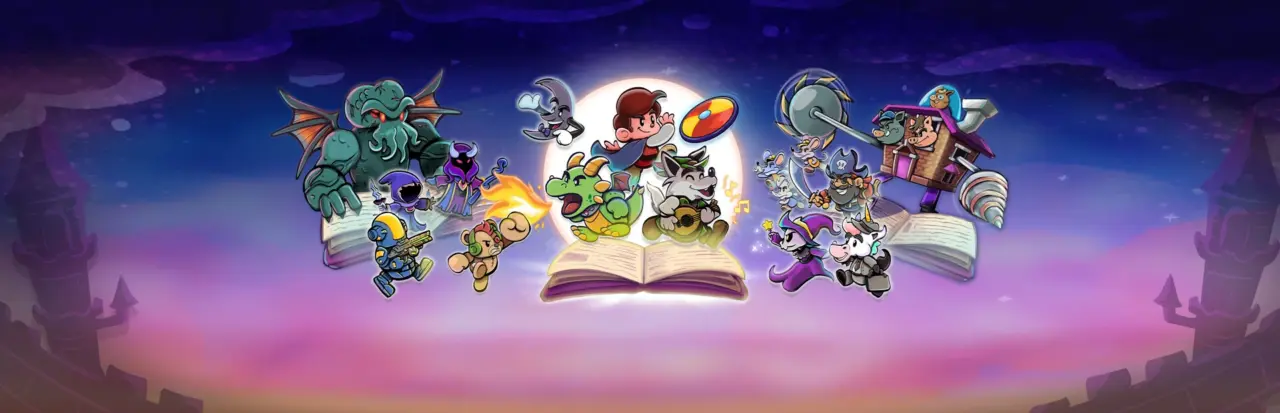
A Fairy Tale RPG That Actually Understands Why People Loved Paper Mario
The easiest way to misunderstand Escape from Ever After is to reduce it to “another Paper Mario-inspired indie RPG.” Technically, that description is accurate. Practically, it misses the point entirely.
This game doesn’t just imitate surface-level nostalgia. It understands the mechanical rhythm, pacing discipline, and tactile combat feel that made the early Paper Mario games work in the first place. A shocking number of modern “retro-inspired” RPGs remember the aesthetics but forget the game design fundamentals underneath them. Escape from Ever After actually gets both.
It’s a tightly paced turn-based RPG built around timed-action combat, environmental puzzles, exploration-heavy storybook worlds, and a cast of fairy tale weirdos trapped inside a corporate takeover nightmare. The premise sounds like internet-core satire on paper, but the game wisely avoids becoming exhausting “quirky writing” sludge. The humor lands more often than not because the writers know when to stop talking.
More importantly, the gameplay carries the experience instead of leaning on charm as a crutch.
That matters.
A lot of indie RPGs survive entirely on personality while the actual combat slowly turns into repetitive menu maintenance after the five-hour mark. Escape from Ever After keeps introducing mechanical wrinkles often enough that the momentum rarely collapses.
Combat That Rewards Attention Instead of Auto-Piloting
The combat system is aggressively familiar if someone grew up on Paper Mario: The Thousand-Year Door, but familiarity is not a weakness here. The real question is whether the game builds enough of its own identity on top of that framework.
Mostly, yes.
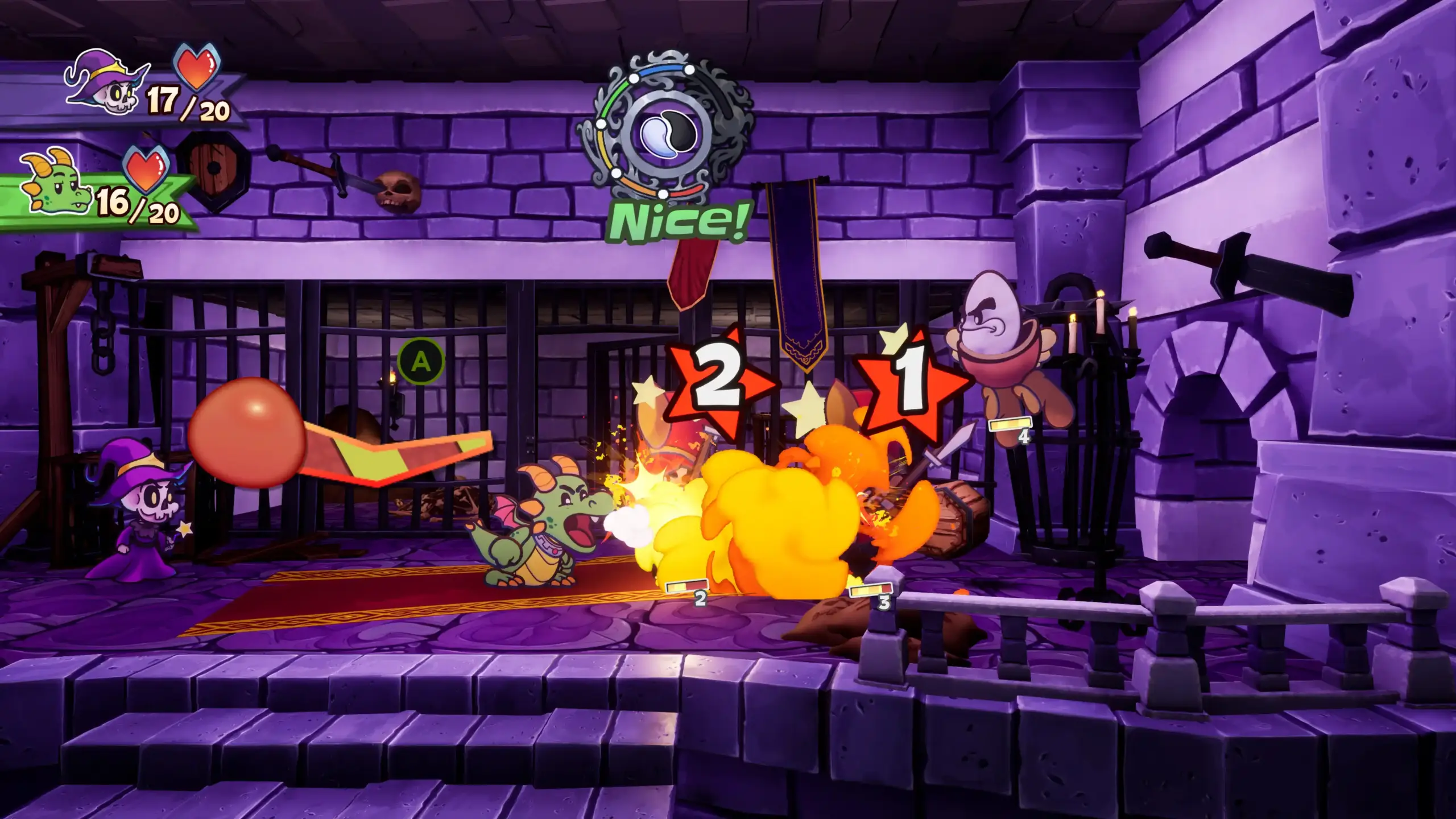
Every attack uses timing inputs tied to offense or defense. Some require precise button presses, some use directional inputs, some involve charge timing, rhythm, or positional awareness. The important part is that the combat never becomes passive. Even basic encounters ask for engagement.
The input feel is excellent. Attacks snap cleanly, animations communicate impact properly, and enemy readability stays strong even when fights get visually busy. That sounds basic, but modern RPGs fail this constantly. There’s a huge difference between a combat system that technically functions and one that feels satisfying at a physical level. Escape from Ever After understands that tiny details matter: hit pauses, animation timing, sound design, attack cadence, visual clarity.
The result is a battle system that remains enjoyable long after the novelty wears off.
Enemy design also deserves credit. The game avoids the common indie RPG problem where every encounter becomes “same enemies, bigger health bars.” Defensive enemy states, shield mechanics, elemental interactions, and party synergies force the player to actually evaluate turns instead of mashing through battles half-awake.
Some encounters become surprisingly nasty if the player ignores mechanics. Certain enemies punish melee attacks, others manipulate positioning, and some bosses escalate into genuine resource-management fights where mistakes snowball quickly. There’s enough friction to keep the combat engaging without drifting into sweaty tactical-RPG territory.
The difficulty curve lands in a smart place. It respects the player without becoming exhausting.
That said, the game occasionally leans a little too hard on shield-heavy enemy compositions. There are stretches where combat pacing slows because too many encounters revolve around bypassing defenses in similar ways. It never ruins the combat, but there are moments where the flow starts feeling slightly over-managed rather than naturally dynamic.
Still, compared to the brain-dead turn-based filler combat infecting half the genre right now, this feels refreshingly alive.
Party Design And Buildcraft Stay Surprisingly Flexible
One of the strongest design decisions is how the party evolves mechanically instead of just numerically.
Each companion changes both combat flow and exploration structure through unique abilities. Some specialize in status manipulation, others in utility, defense breaking, or setup play. The game constantly nudges the player toward experimenting with synergies rather than locking into one solved strategy forever.
The Trinket system does a lot of heavy lifting here. It’s basically the game’s badge-equivalent customization layer, but thankfully it avoids becoming bloated spreadsheet nonsense. Buildcraft exists, but the game doesn’t drown itself in complexity for the sake of appearing deep.
That restraint helps the pacing tremendously.
A lot of RPGs confuse “more systems” with “better systems.” Escape from Ever After keeps its customization readable. The player can quickly understand what a setup is trying to accomplish and adjust accordingly. Offensive glass-cannon builds work. Defensive utility-focused setups work. Status-focused approaches remain viable longer than expected.
The game also avoids one of the biggest modern RPG sins: invalidating experimentation through punishing resource costs. Respeccing and adjusting loadouts feels frictionless enough that testing ideas remains fun.
That freedom matters because the game’s combat encounters are clearly designed around adaptation rather than brute force stat checks.
Exploration Has Real Texture Instead Of Checklist Design
The exploration structure deserves almost as much praise as the combat.
Modern RPG level design often falls into two extremes:
either painfully linear corridors disguised as “cinematic experiences,” or bloated open worlds stuffed with meaningless collectibles.
Escape from Ever After avoids both traps.
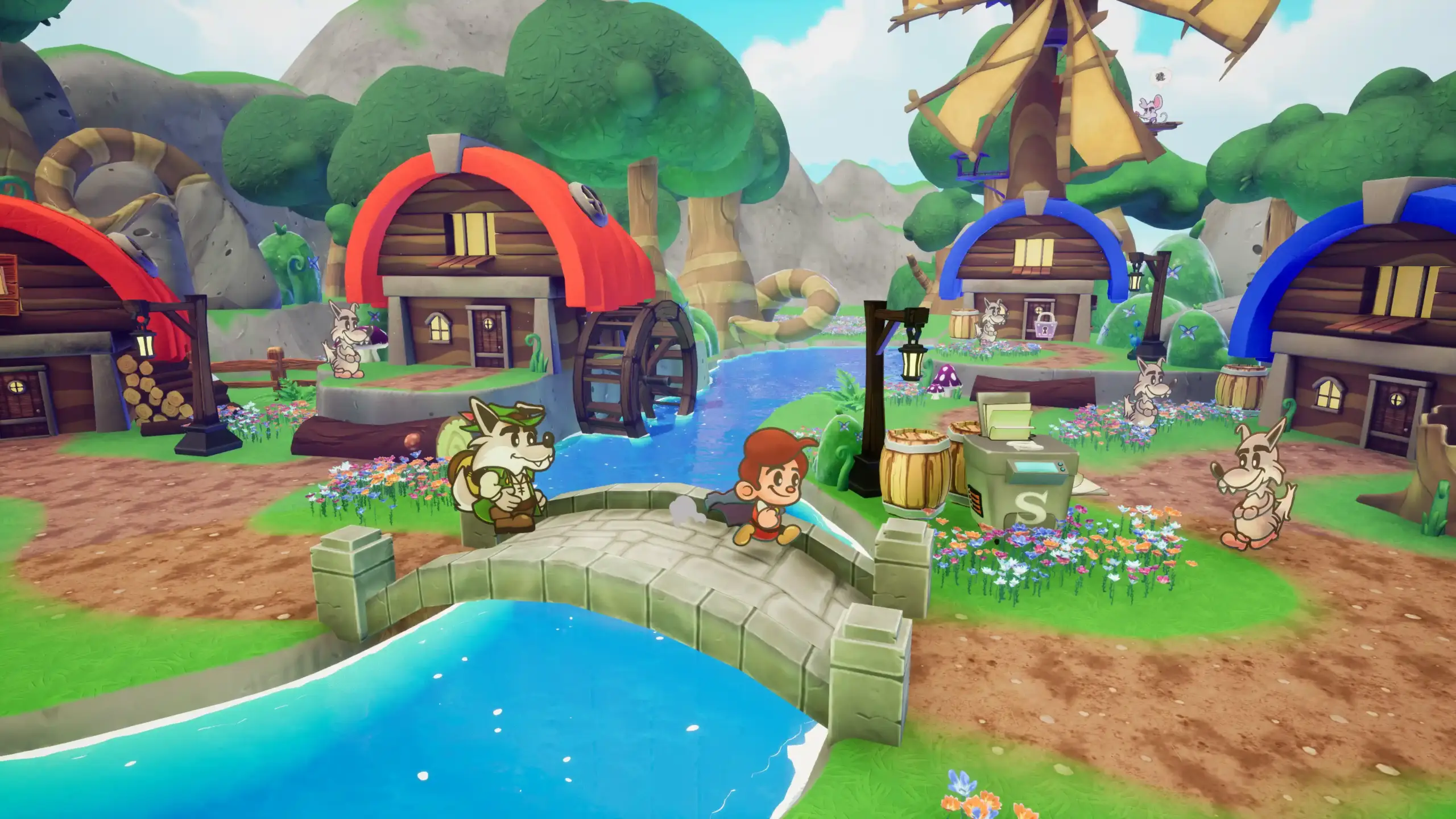
Its world design feels handcrafted in the old-school sense. Areas are compact enough to stay readable but layered enough to reward curiosity. Hidden paths, puzzle interactions, optional encounters, side activities, and environmental storytelling constantly pull the player slightly off the critical route without turning exploration into a second job.
The pacing of discovery feels especially good because the game rarely wastes the player’s time.
Sidequests stay lean.
Puzzle chains rarely overstay their welcome.
Backtracking is limited intelligently.
Optional content usually rewards the player with meaningful upgrades or genuinely funny interactions instead of garbage-tier filler loot.
There’s an awareness throughout the design that pacing matters.
The puzzle design is stronger than expected too. Some are straightforward environmental interactions, but later areas start combining character abilities in increasingly clever ways. The game occasionally pushes into surprisingly elaborate multi-step puzzle sequences that demand actual observation rather than brute-force trial and error.
A few late-game puzzles flirt with becoming momentum killers, especially when the player is more invested in combat progression than environmental problem-solving. But the game usually pulls back before frustration fully sets in.
Importantly, traversal itself feels good.
Movement is responsive, animations are snappy, and platforming sections stay simple enough that the controls never become a liability. The game wisely understands its strengths. It includes platforming for pacing variety, not because it wants to become a precision platformer.
That restraint saves it from the awkward floaty misery infecting so many indie hybrid RPGs.
The Writing Works Because It Knows When To Shut Up
The writing surprised me.
Not because it’s revolutionary, but because it exercises restraint — something modern comedy-heavy indie games increasingly struggle with.
Escape from Ever After is funny without sounding terminally online. The corporate satire works because the writers don’t beat every joke into paste. Characters have personality beyond one-note meme delivery systems. Dialogue moves quickly. Scenes end before they rot.
The fairy tale setting helps enormously because it gives the writers a flexible sandbox for reinterpretations without feeling forced. The game constantly twists familiar archetypes into weird new roles while maintaining internal consistency.
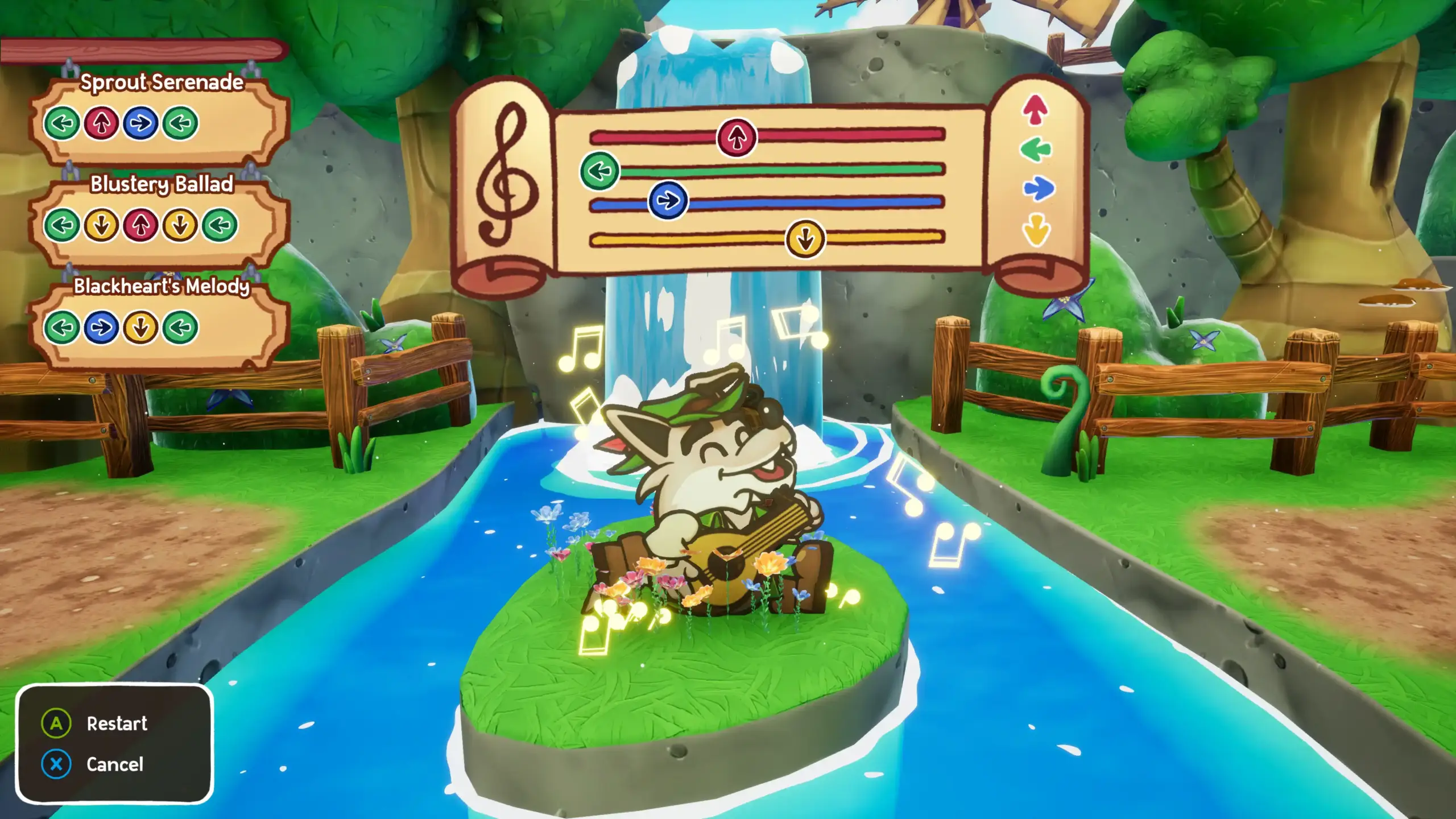
The Big Bad Wolf becoming a bard could have been insufferable Tumblr-core writing in lesser hands. Here, it actually works because the character still functions mechanically and narratively within the world instead of existing solely as a joke.
Even the corporate setting avoids becoming exhausting anti-capitalist sermonizing. The game pokes fun at bureaucracy, middle management language, productivity culture, and corporate absurdity without turning every conversation into a Twitter thread.
That balance keeps the atmosphere playful instead of obnoxious.
The cast also earns emotional investment naturally through gameplay progression rather than giant exposition dumps. The game trusts the player enough to let attachment build over time.
That confidence helps the pacing tremendously.
Visual Direction Carries Its Own Identity
Yes, the Paper Mario inspiration is obvious immediately.
But the game does enough visually to avoid feeling like a hollow clone.
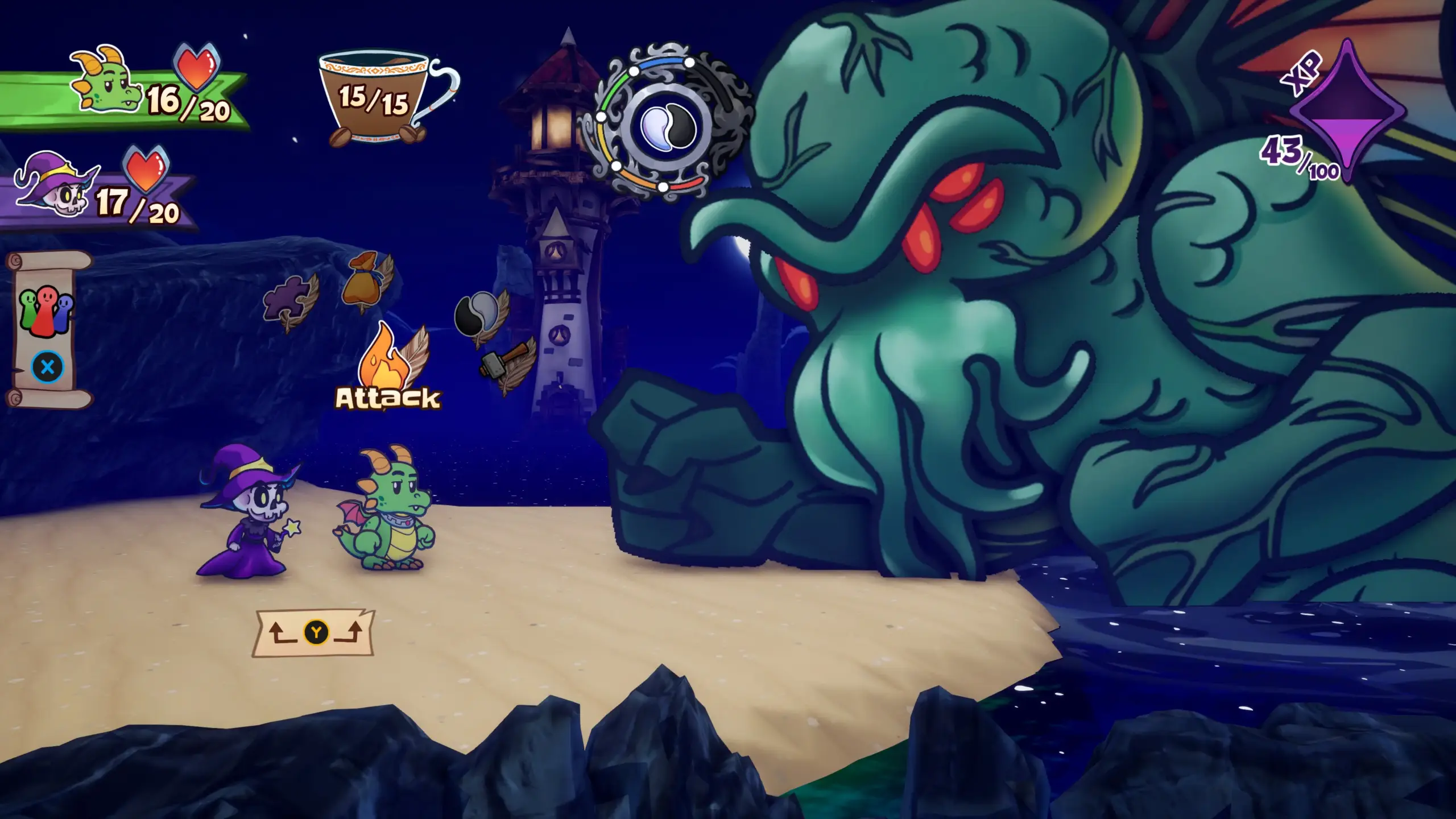
The paper-cutout aesthetic looks fantastic in motion because the animation team clearly understood how much expressiveness matters in these types of RPGs. Character silhouettes remain readable, attacks have excellent visual feedback, and environmental themes stay distinct across different storybook worlds.
More importantly, the visual identity supports gameplay readability.
Combat information stays clean.
Environmental interactions stand out naturally.
Enemy states communicate clearly.
Traversal remains visually understandable.
That functional clarity matters more than raw graphical fidelity ever will in a game like this.
The environments themselves carry strong thematic variety too. Medieval fantasy zones, corporate office spaces, pirate-themed regions, strange sci-fi detours — the game constantly refreshes its visual palette before fatigue sets in.
The soundtrack deserves serious praise as well.
Instead of defaulting to generic “epic indie orchestral music,” the score leans heavily into jazzy, playful arrangements that give the game a distinct atmosphere. Several tracks sound like weird elevator music from a cursed corporate dimension in the best possible way.
Combat themes could have used slightly more aggression and escalation during major fights, but the environmental music consistently carries mood and pacing beautifully.
Performance And Polish Feel Shockingly Solid
For a relatively small production, the game is impressively polished.
Menus feel responsive.
Load times stay short.
Animations rarely bug out.
Combat transitions are quick.
UI readability remains excellent.
That polish matters more than people admit. Tight pacing dies instantly when a game constantly introduces tiny friction points through sluggish interfaces or awkward transitions.
Escape from Ever After feels carefully tuned moment-to-moment.
There are still occasional issues. Some timing windows during combat feel slightly inconsistent. Depth perception during certain traversal segments can become mildly awkward due to the layered 2.5D perspective. A handful of puzzle interactions could communicate their logic more clearly.
But these are real flaws, not internet outrage nonsense inflated into “the game is broken.”
The important thing is that the core experience stays consistently enjoyable from beginning to end.
And honestly, the game’s relatively compact runtime helps enormously.
It doesn’t drag itself into a bloated 50-hour obligation. It arrives, introduces mechanics steadily, escalates intelligently, and exits before exhaustion sets in. More RPGs desperately need that discipline.
Why Escape From Ever After Deserves Attention
Escape from Ever After succeeds because it understands the difference between imitation and comprehension.
It borrows heavily from Paper Mario, yes. But it borrows the right things:
combat pacing,
mechanical readability,
tight exploration,
expressive animation,
lean progression systems,
and respect for player attention span.
It avoids modern RPG bloat almost entirely. No live-service brain rot. No endless crafting garbage. No meaningless open-world busywork pretending to be content density.
Just strong combat, clever pacing, memorable characters, satisfying exploration, and enough mechanical depth to stay engaging for its full runtime.
Players who miss the era when turn-based RPGs prioritized responsiveness, charm, and actual game feel instead of cinematic padding are going to feel very comfortable here.
The people expecting some revolutionary reinvention of the genre may bounce off its familiarity.
Everybody else is probably going to have a damn good time.