

A Deckbuilder Built Around the Most Addictive Part of Card Games
Most deckbuilding games spend hours warming up before they reach the fun part. You draft weak filler, slowly assemble synergies, survive mediocre early encounters, then maybe — if the run cooperates — the machine finally starts humming near the end. One Turn Kill skips the warmup entirely. The entire game is built around the payoff phase.
Every fight is a puzzle where the player has exactly one turn to erase the enemy from existence. Fail to kill the target before ending the turn and the run usually collapses immediately. That sounds gimmicky on paper, like the kind of Steam indie idea that burns bright for thirty minutes before running out of tricks. Instead, One Turn Kill turns that restriction into the foundation for one of the sharpest small-scale card battlers in years.
The first thing that stands out is how aggressively the game trims dead space. There are no bloated encounters designed purely to waste time. No padding enemies soaking hits for five turns while waiting for scaling cards to come online. No “basic attack” turns where the player is cycling garbage while hoping the next draw fixes the situation. Every fight matters instantly because every hand matters instantly.
That single design decision changes the entire emotional rhythm of the game.
Draw Mechanics That Feel Dangerous in the Best Way
The core system revolves around card draw as both fuel and risk management. Playing cards often requires drawing additional cards, which sounds backwards initially but quickly becomes the game’s obsession. Every action pushes the player deeper into the deck while simultaneously bringing them closer to exhaustion, hand collapse, or a ruined combo line.
Good deckbuilders create tension through randomness. One Turn Kill creates tension through self-destruction.
The player constantly walks a razor’s edge between extending a combo and detonating their own game plan. One extra draw might open the perfect lethal sequence. It might also bury the key finisher somewhere unreachable. Deck size matters. Card order matters. Resource loops matter. Return effects matter. Duplication effects matter. Tiny sequencing mistakes snowball instantly.
The game captures a very specific feeling normally found in physical TCG combo decks: that sweaty moment where the player is mentally calculating six interactions ahead while praying the engine keeps spinning. Except here, the system is clean enough that it rarely feels unfair. When a run dies, the reason is usually visible.
That readability matters because the game is brutally punishing.
One Turn Kill does not hide behind RNG excuses very often. The game hands players tools, then asks whether they actually understand the systems well enough to break them open.
Encounters Designed to Interrupt Greed
A lot of indie card battlers fall apart once the player discovers a broken interaction. One Turn Kill understands this problem and pushes back harder than expected. Enemy design is built specifically around disrupting greedy combo lines.
Some encounters pressure hand size. Others punish excessive draw. Some interfere with sequencing windows. Certain enemies force awkward damage thresholds that disrupt otherwise elegant kill routes. Higher difficulties become especially good at turning comfortable builds into unstable messes.
The impressive part is how often the game accomplishes this without feeling cheap.
Enemy gimmicks usually target player assumptions instead of outright disabling mechanics. The player still gets to do broken things. They just need cleaner execution. That distinction keeps the game satisfying rather than restrictive.
Several late-game encounters become genuinely tense because they weaponize overconfidence. A deck that demolished three previous fights suddenly bricks under a different pressure point. The game quietly teaches adaptability instead of allowing one dominant strategy to autopilot the entire experience.
That said, balance is not perfect.
Certain combo archetypes clearly outperform others once the player understands the systems deeply enough. Draw recursion and deck manipulation become disproportionately powerful compared to more straightforward damage plans. Some experimental builds feel viable for a while before smashing into hard consistency walls. The game occasionally creates the illusion of build variety while subtly funneling players toward highly optimized engine strategies.
The good news is that the systems are fun enough to justify experimentation anyway.
The Speed Changes Everything
One Turn Kill moves at an incredible pace without feeling shallow.
Runs are compact. Encounters begin immediately. Decisions matter instantly. There is almost zero downtime between strategic thinking and mechanical execution. The game understands that rapid pacing does not require simplifying systems. In fact, the speed amplifies the mental intensity because mistakes arrive faster.
This creates a fascinating contrast with heavier roguelike deckbuilders. Games like Slay the Spire often feel like marathon planning sessions where players slowly sculpt inevitability over long arcs. One Turn Kill feels more like solving consecutive tactical emergencies under pressure.
The result is strangely addictive.
A failed run rarely feels exhausting because the game did not waste forty minutes before collapsing. Restarting becomes painless. Testing new deck ideas becomes painless. Pushing higher difficulties becomes painless. The structure respects player time in a way many larger strategy games still fail to understand.
The compact runtime also benefits replayability more than expected. The game does not contain massive content volume, but its efficiency compensates for it. Short runs encourage experimentation because failure never feels catastrophic.
Still, content quantity is one area where the game cannot fully escape criticism.
A Small Game Carrying Big Mechanical Ideas
One Turn Kill is not a giant package. Players expecting hundreds of hours of expanding systems, endless unlock trees, or enormous card pools may hit the limits faster than expected.
The enemy roster is relatively contained. Certain encounter patterns become familiar sooner than ideal. Some archetypes could use additional card support. The upgrade ecosystem occasionally feels one layer short of true insanity.
There is a lingering sense that the game found an excellent core system and then stopped slightly earlier than players might want.
Ironically, that restraint also helps the game avoid the genre bloat infecting modern roguelikes. Too many strategy indies drown themselves in endless currencies, progression ladders, meta-unlocks, and permanent account systems that dilute the actual gameplay loop. One Turn Kill stays focused on mechanical clarity.
The game trusts its core idea enough to avoid drowning it in noise.
That confidence gives the experience a purity many larger games lack.
Pixel Art With Actual Gameplay Readability
The visual direction deserves credit because it understands functionality.
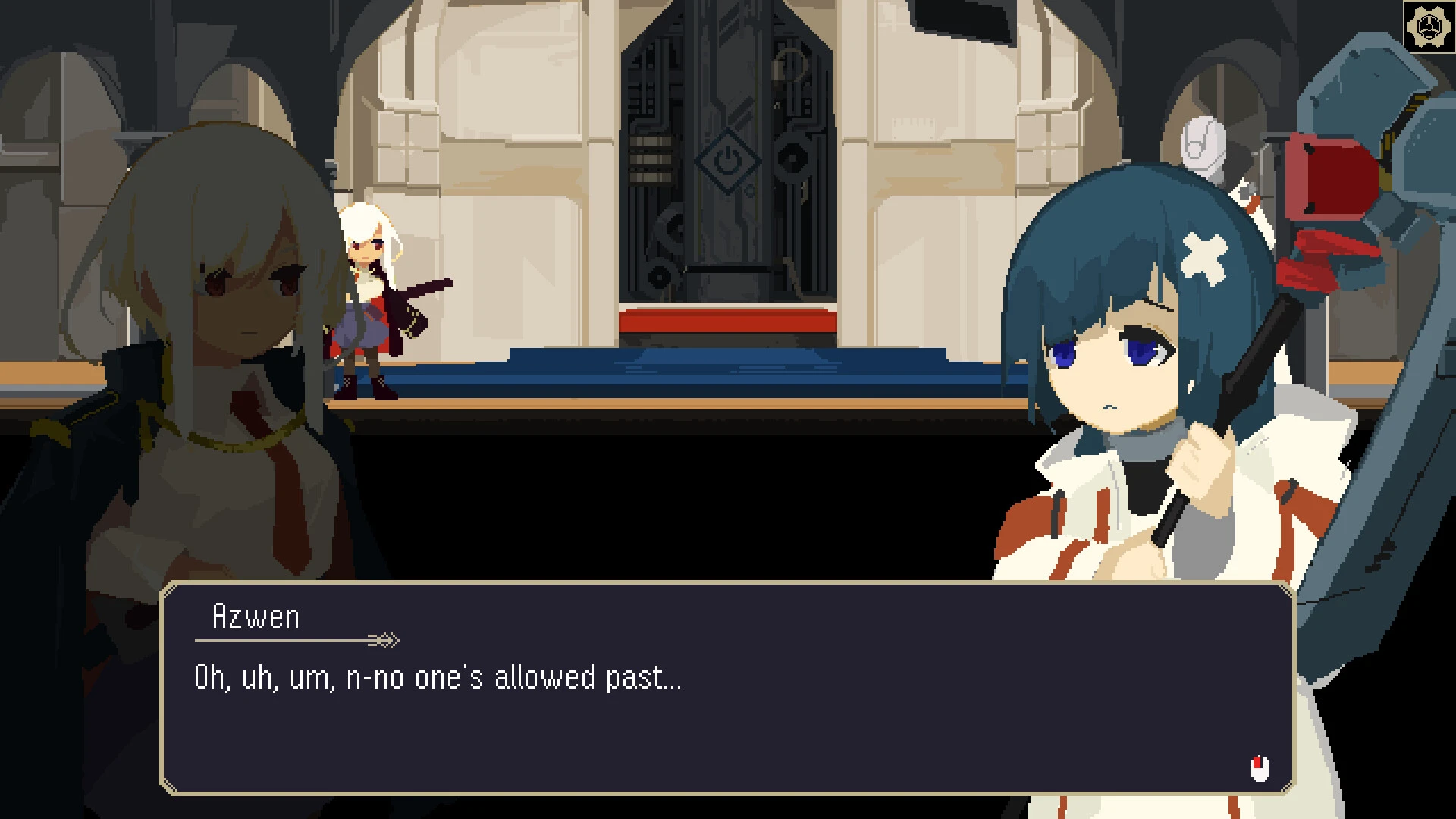
Pixel art in indie games has become dangerously oversaturated over the past decade. Too many projects rely on retro aesthetics as a substitute for artistic identity. One Turn Kill uses pixel art correctly: as a tool for readability and speed.
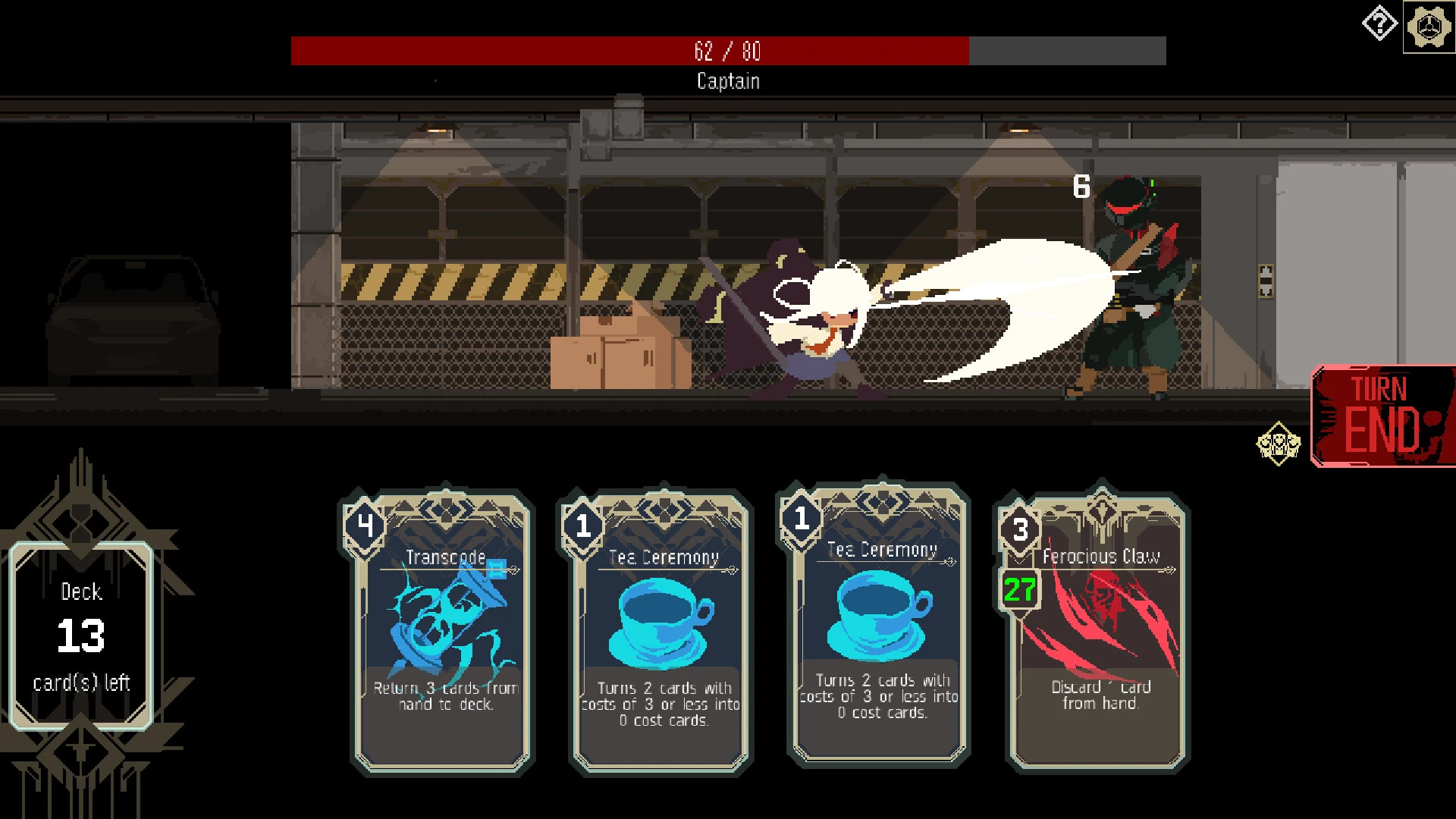
Combat information remains clear even during messy combo chains. Animations are fast but readable. Damage feedback lands cleanly. Enemy silhouettes remain distinct. Important effects communicate themselves immediately.
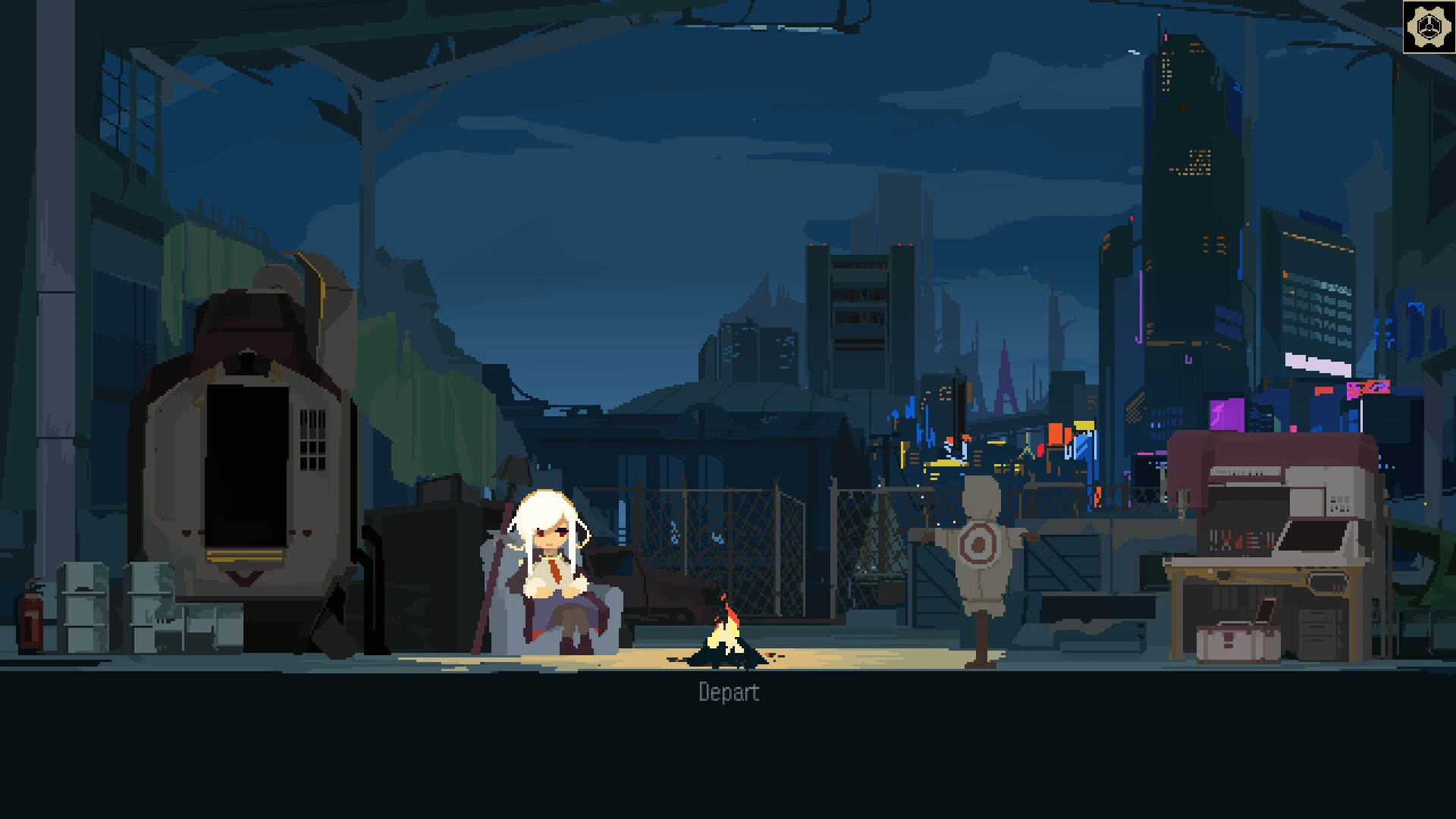
The wasteland aesthetic is simple but effective. The environments are not trying to compete with massive cinematic productions. Instead, they support the game’s pacing by keeping visual noise low while preserving atmosphere.
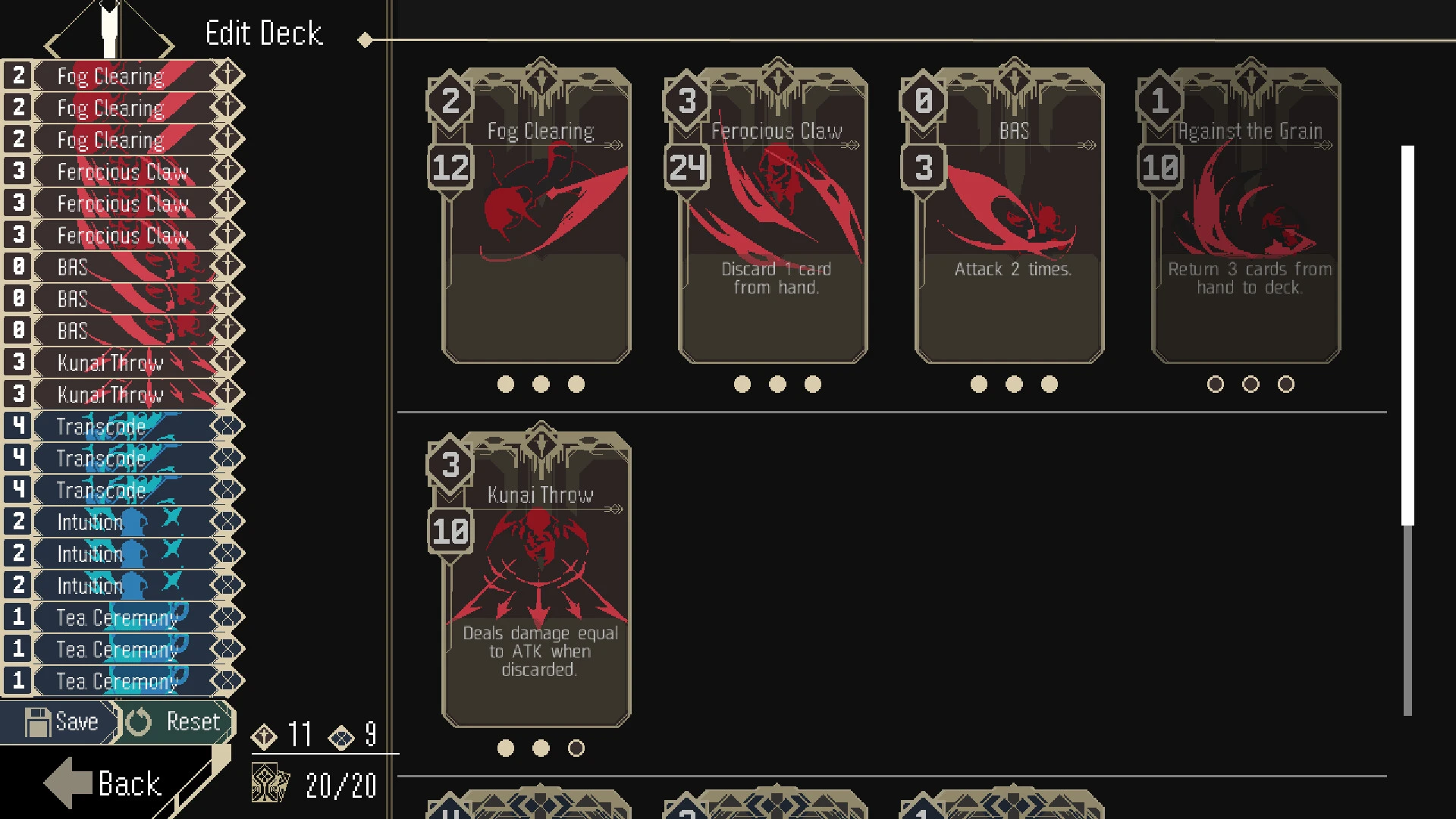
There is also a pleasant sharpness to the UI design. Menus respond quickly. Inputs feel snappy. Deck management stays intuitive. The game avoids the sluggish interface problems that cripple many indie card games.
Some card text can become a little cramped, especially during more chaotic build setups, but the overall usability remains excellent.
The sound design helps tremendously here too.
Audio That Understands Momentum
One Turn Kill’s soundtrack knows exactly what kind of game it belongs to.
The music does not attempt emotional orchestral storytelling or oversized cinematic drama. Instead, it reinforces momentum. Tracks maintain pressure without becoming distracting. Combat sounds land with enough punch to make combo chains satisfying while keeping the pace flowing.
Small audio details matter more in strategy games than many developers realize. The sound of cards activating, deck manipulation triggering, or lethal damage connecting all contribute to mechanical satisfaction. One Turn Kill consistently nails that tactile feedback loop.
The game feels good to operate.
That phrase gets thrown around constantly in reviews, but here it genuinely matters because the entire design depends on rapid sequencing and mental flow. If the interface, sound, or animations felt sluggish, the whole concept would collapse instantly.
Instead, the game achieves a rhythm where planning and execution merge together naturally.
Difficulty That Rewards System Understanding
One Turn Kill is hard, but it usually earns the right to be hard.
The game expects players to think carefully about deck composition, probability management, and sequencing discipline. Sloppy play gets punished quickly. Greedy combo lines can implode spectacularly. Early confidence often leads directly into humiliating failures.
Yet the difficulty rarely feels hostile.
The game communicates systems clearly enough that improvement feels achievable. Stronger players will notice themselves solving encounters faster, refining deck construction more intelligently, and identifying lethal routes more consistently. The mastery curve is steep without becoming inaccessible.
This is where the game’s design philosophy shines brightest.
One Turn Kill is not interested in overwhelming players with sheer complexity. It wants players to understand interactions deeply. That distinction separates thoughtful strategy design from fake difficulty.
The game also avoids modern roguelike excess where randomness completely overrides skill expression. There is variance here, but mechanical understanding consistently matters more than luck.
That makes victories feel deserved.
Why One Turn Kill Deserves Attention
One Turn Kill succeeds because it understands exactly what makes card games satisfying. Not the collection systems. Not the endless progression bars. Not the fake RPG grind. The real satisfaction comes from seeing a carefully constructed engine explode into perfect execution.
This game isolates that feeling and builds everything around it.
The content volume may leave some players wanting more. Certain balance quirks become noticeable with experience. A few additional enemy types and archetypes would push the system even further. But the mechanical foundation is strong enough that those complaints feel more like frustration over potential than disappointment.
For players who enjoy deck manipulation, combo sequencing, tight tactical planning, and high-pressure optimization, One Turn Kill is easy to recommend. Players looking for massive content sprawl or heavily randomized roguelike chaos may bounce off its focused structure faster.
What it does offer is sharper than most games three times its size.